On 20 October, designers gathered at the Akarana Event Centre in Auckland for brunch and a chance to talk about the business of being creative.
Four designers who've built thriving creative businesses shared the stories behind them, and they were refreshingly open about what's worked and what hasn't. Kristy Campbell from Pink Pony Creative joined Rocketspark CEO Grant Johnson for a campfire chat, followed by a panel with Kimberley Torrie from Studio Dawn, Elise Syme from Mauka Creative and Laykanne Coetzee from Rae Creative.
Their creative businesses are at different stages, yet the conversation kept circling back to the same ideas: charging what they’re worth, trusting their judgement and building a business that leaves room for a life outside it.
Here are eight lessons that we took away from the day:
1. Be brave before you feel ready
Kristy's first client came from a 100-day social media challenge she took on while she was still working in-house. Posting every day felt cringe at the time, but she kept going and grew her following to a whopping 744,000 across Instagram, LinkedIn and Tik Tok. Even now she's still experimenting, including with formats like reels that don't always come naturally to her.
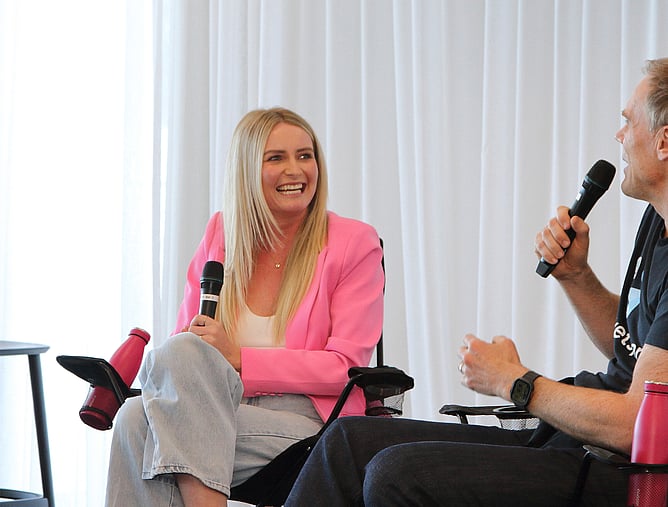
Her advice was to try things before the fear of failing talks you out of them.
Laykanne put that into practice on the day. It was her first time speaking in front of a group, and she said yes partly because it pushed her outside her comfort zone.
Their stories show that confidence tends to arrive after you start. Posting your work, pitching a bigger client and putting your hand up to speak probably won’t feel comfortable the first time, so back yourself and go for it anyway.
2. Ask what the budget is
Kristy described a project she was about to quote for. She’d landed on a price that already felt ambitious, but before sending it through, she asked the client about their budget.
Their answer was many times what she’d planned to charge, for the same scope of work.
This won’t happen on every project, but if you’re deciding what a client can afford without asking them, you might be putting a ceiling on your own income.
It can feel awkward. Ask anyway.
3. Have an opinion and back your expertise
Kristy encouraged designers to be confident in what they deliver and willing to express an opinion. Clients are paying for your judgement as well as your ability to make things.
For Laykanne, creative freedom means earning enough trust to make the decisions she believes are right for a project, without every choice going through a committee.
Kimberley builds that trust by educating clients early. By the time she presents the work, they already understand her thinking and what she's trying to achieve.
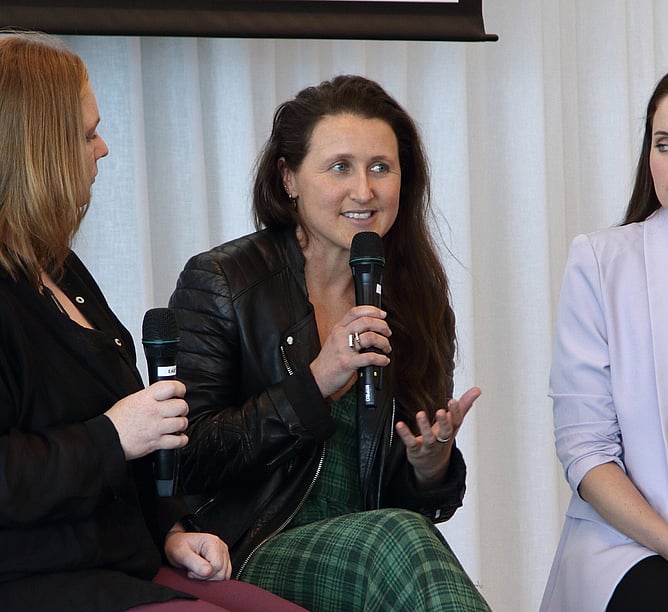
Backing yourself can be as simple as explaining why you made a choice, rather than hoping the work will speak for itself.
4. Think beyond New Zealand
All four speakers have built businesses with clients overseas. Looking further afield gives you a bigger pool of potential clients, and often clients with bigger budgets than you'd find at home.
Kristy presents Pink Pony Creative as a global business. She targets clients in the US, so she uses a .com domain, writes in American English and keeps Kiwi references out of her branding. Overseas clients are often surprised to find out she's based here.
Elise followed the interest she was already getting and picked up clients in Tennessee, who connected with her mountains-and-outdoors style. Working at US rates had a knock-on effect at home too. Once she'd seen what her work was worth over there, she quoted New Zealand projects with more confidence.
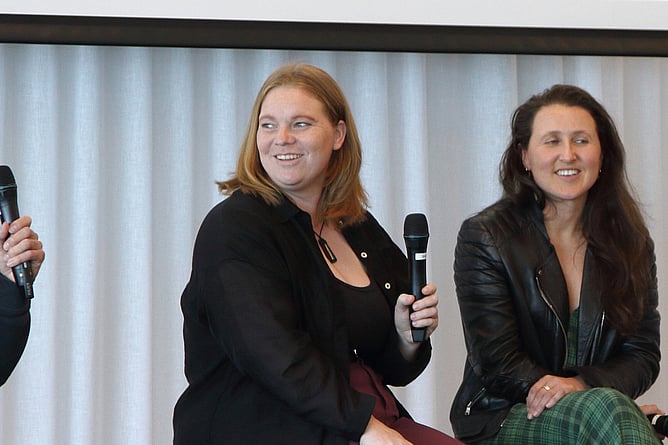
Kimberley and Laykanne have both expanded into Australia. They described overseas work as a significant part of moving from getting by to having financial freedom.
There’s a useful question in that: where are the people who already connect with your work, and could you do more to reach them?
5. Build a business that can ride out a bad month
Going freelance gave Elise the freedom to travel South East Asia with her family. She was supporting them, and her entire income came from one client. Then that client fell over.
Her advice is to spread the risk across several clients and remember that your design skills are actually a very small part of what will make you a successful freelance designer. Being able to market yourself well and run a solid business is what will make the biggest difference.
Kimberley keeps a financial buffer so a quiet month doesn’t immediately become a crisis. Laykanne sets clear goals and gets the foundations in place before chasing growth.
6. Protect your work and expertise
Kimberley once shared so much advice in an intro meeting that the client told her it was so helpful they no longer needed to hire her. The first conversation is your chance to show a client you understand the problem and can solve it. The solving is what they pay you for.
Laykanne's story was about protecting the work itself. She admitted she's run Rae Creative for two and a half years without a client contract. It's worked out so far, but she knows she's been lucky, and getting one in place is now a priority. Judging by the nodding in the room, she wasn't the only one with that job still on the list.
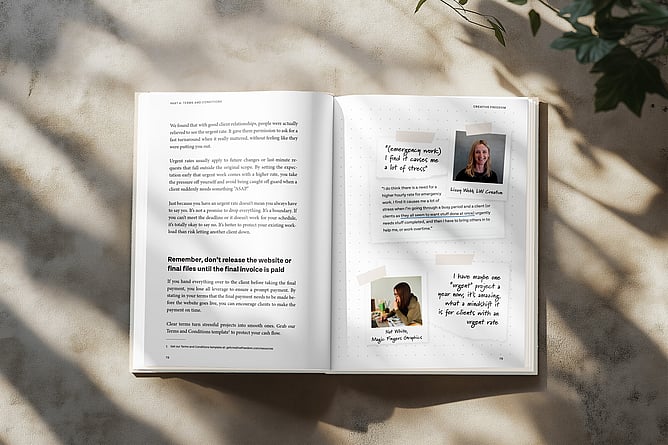
The Creative Freedom book has a section on terms that's a good place to start.
7. Decide how you want to work, then set boundaries early
When the panel talked about creative freedom, much of it came down to having more say over their time.
For Laykanne, that means choosing her clients and projects, including being able to say no. Kimberley wants to work with clients she believes in and have the flexibility to travel. Elise wants to be there for her kids and fit the business around her life.
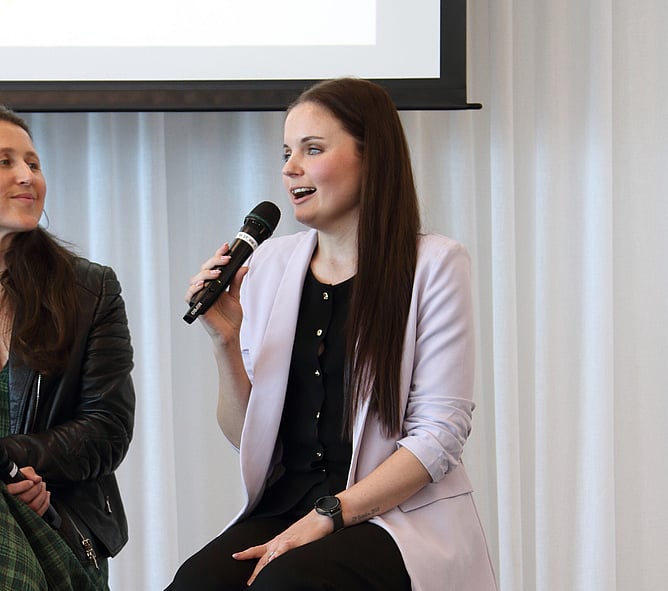
They agreed that boundaries are much easier to establish at the beginning of a client relationship than to introduce halfway through.
It’s worth deciding how you want to work, then making that clear before habits and expectations settle in.
8. Do a great job with the opportunity you have
Kristy first spoke at Adobe MAX in 2022 and has been invited back every year since.
Her advice was to do a great job with each opportunity, because you don’t always know where it will lead. Someone sees the work, remembers you and puts your name forward for something else.
It’s easy to focus on finding the next opportunity. The one in front of you deserves your attention too.
You can watch Kristy in action in one of her Adobe MAX sessions, Ditch the Dull: Build a Brand Identity with Bite.
A community of designers
One thing every speaker talked about was the value of being around other designers.
When most of your days are spent working on your own, it helps to know there are others who get the tricky client conversation, the second-guessing over pricing and the relief of finally getting a project over the line.
Laykanne talked about realising that people at different stages are struggling with many of the same things. Elise said she left feeling less alone. Kimberley’s story showed where one conversation can lead. Three years ago she met another designer at one of these events, and the day before this brunch, the two of them were pitching for a job together.
That’s a big part of why we bring people together through the Creative Freedom community. You can learn plenty from the speakers, but there’s often just as much to talk about with the person sitting next to you.
Join us in Christchurch
Creative Freedom Brunch heads to Christchurch on 19 November, with another group of designers sharing their experiences of building a creative business.
Come along for brunch, meet some other designers and bring the questions you’ve been working through on your own.
